Kissyfur Articles for Parents
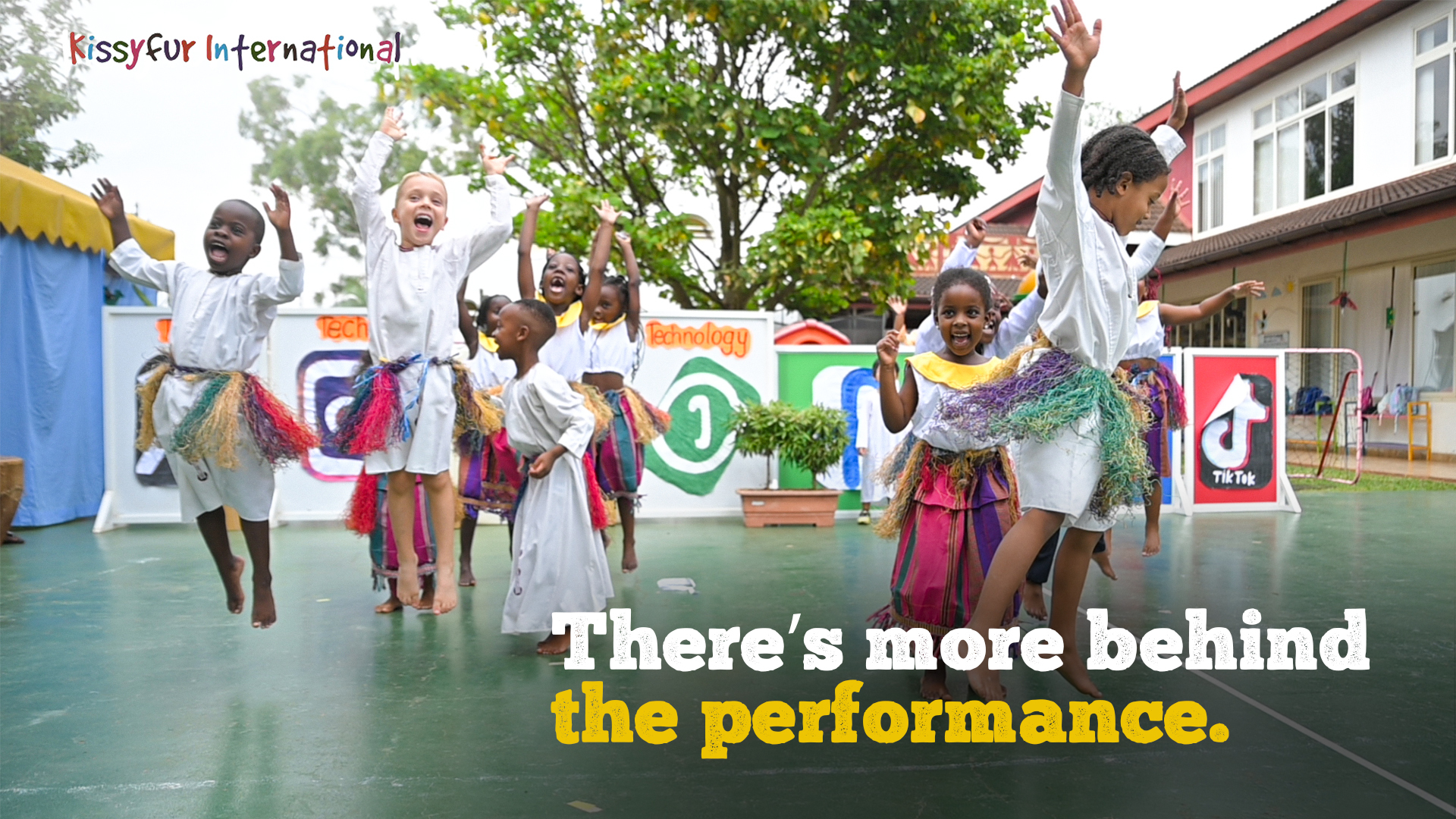
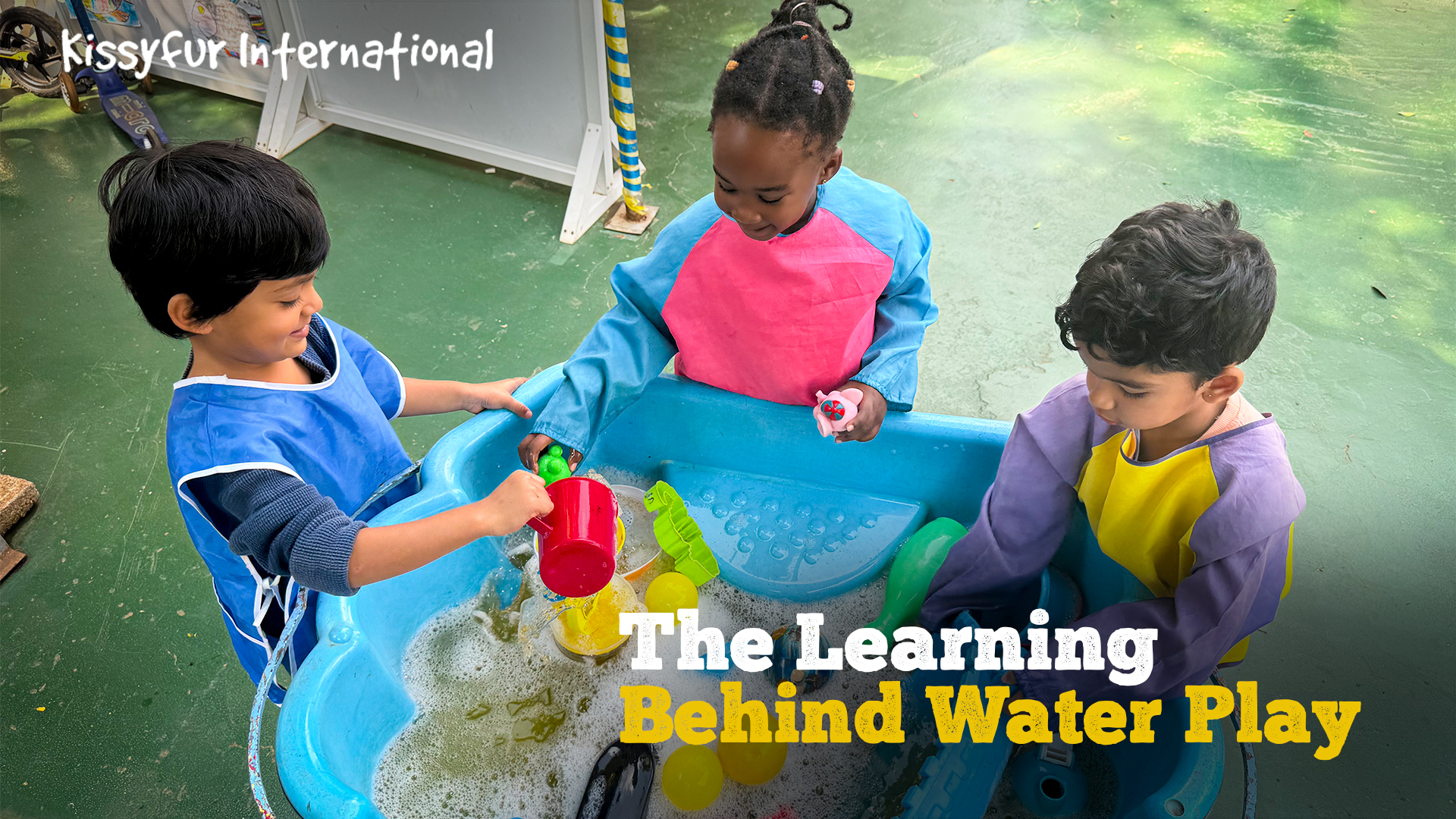
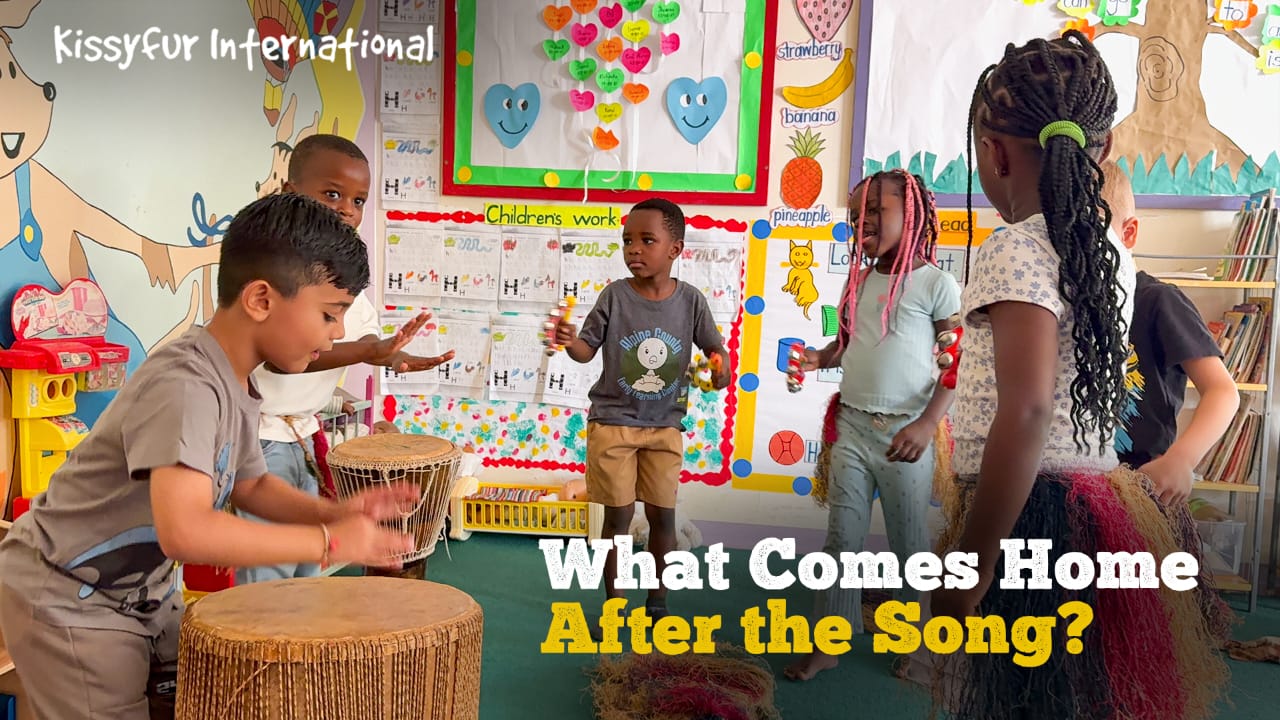
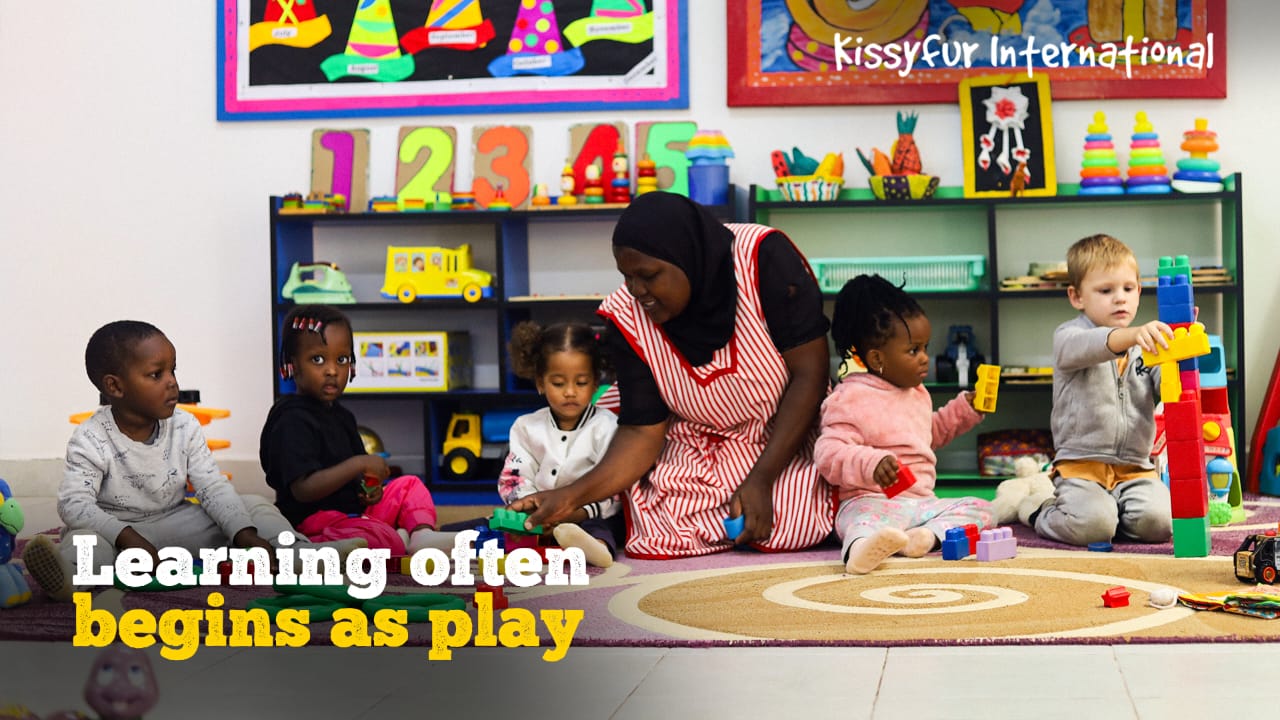
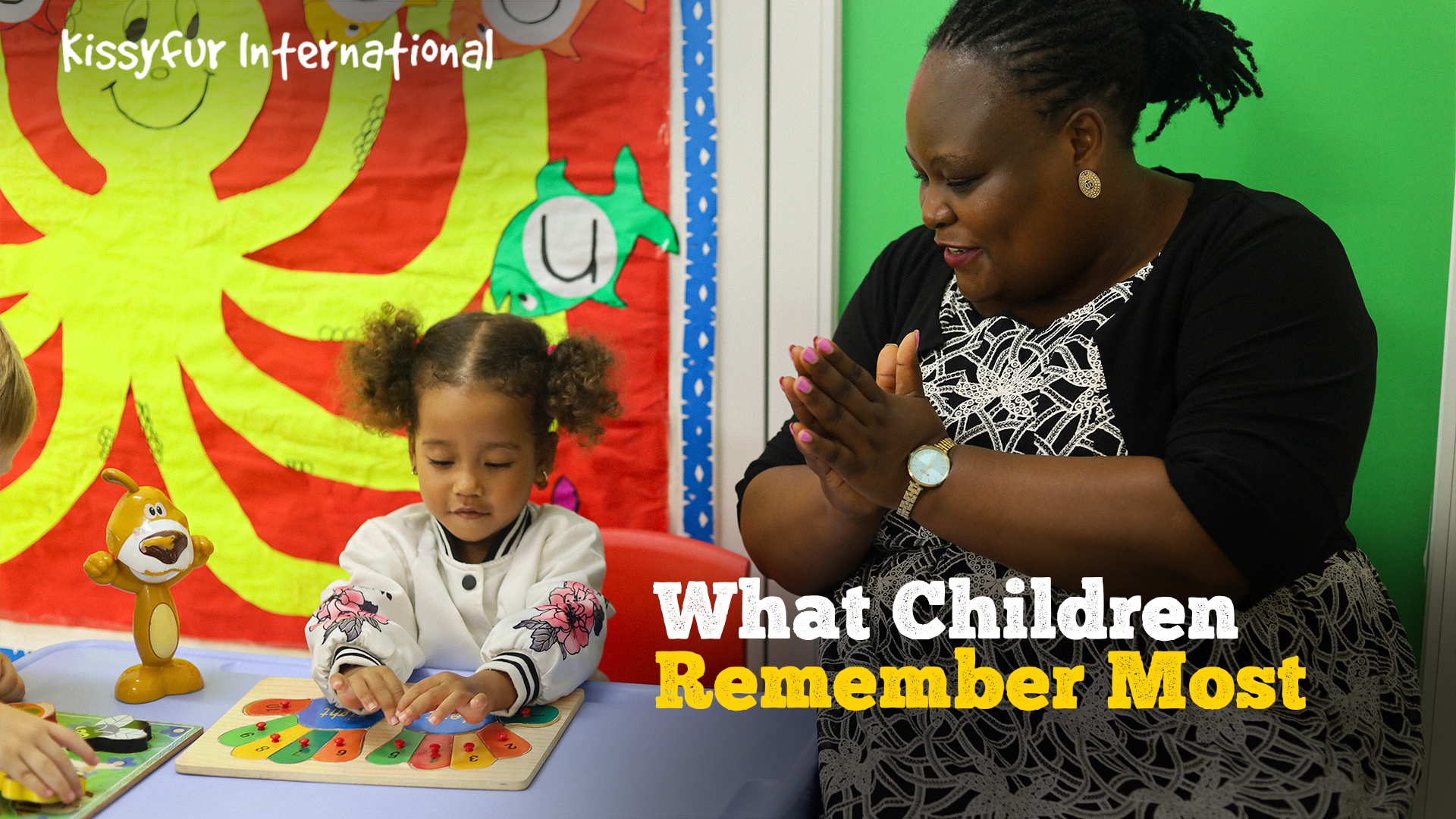
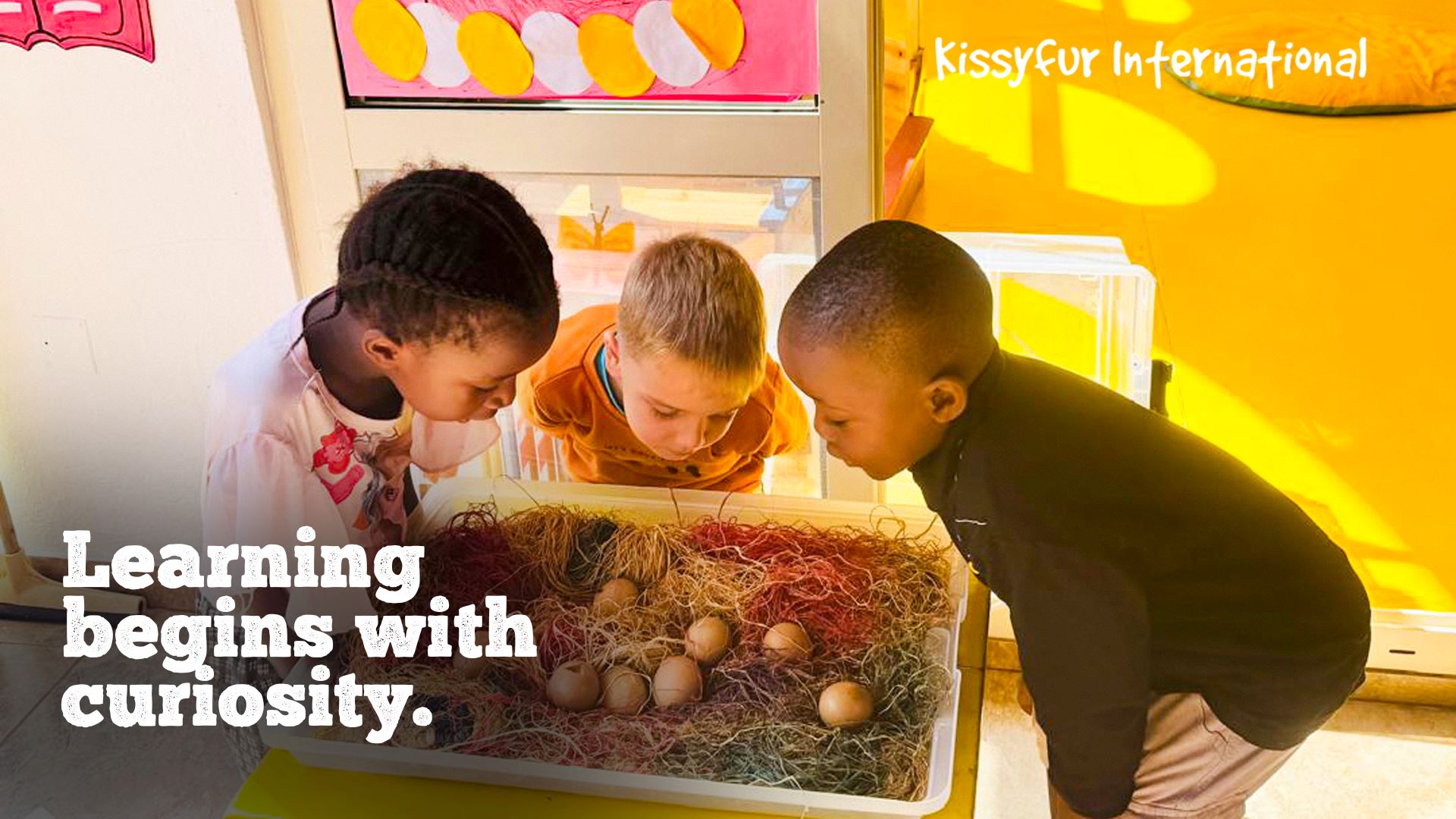
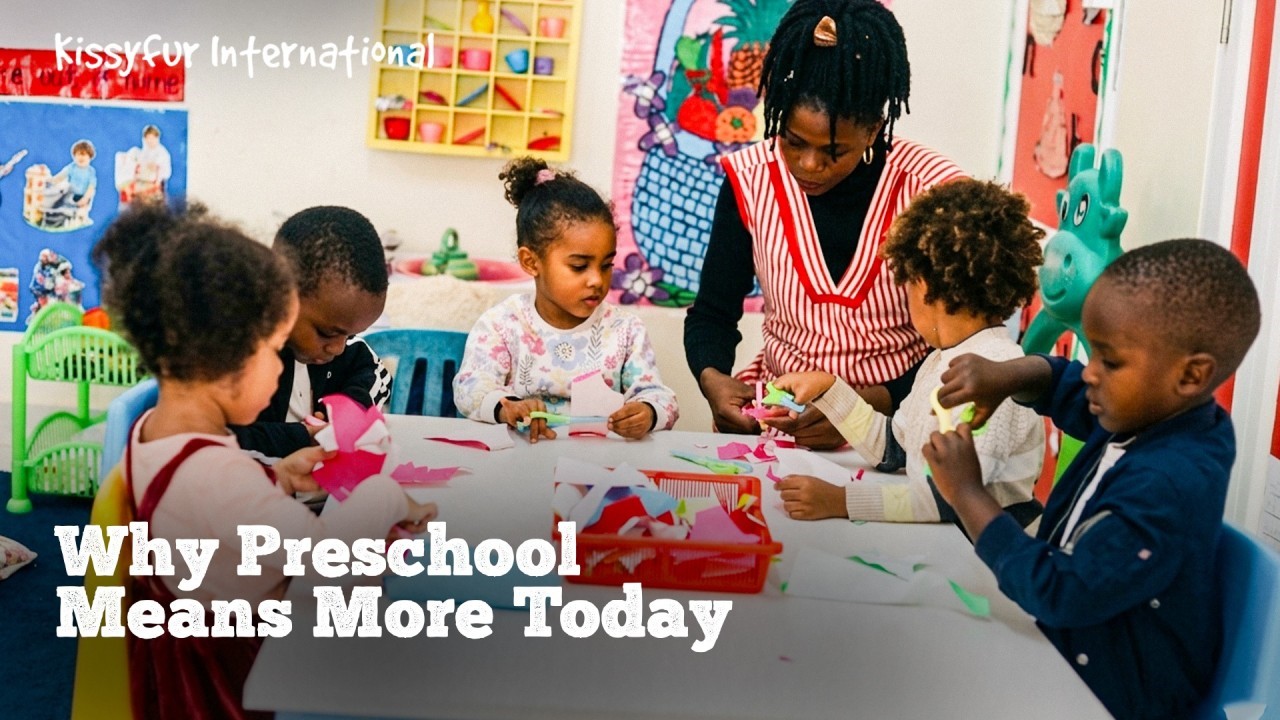
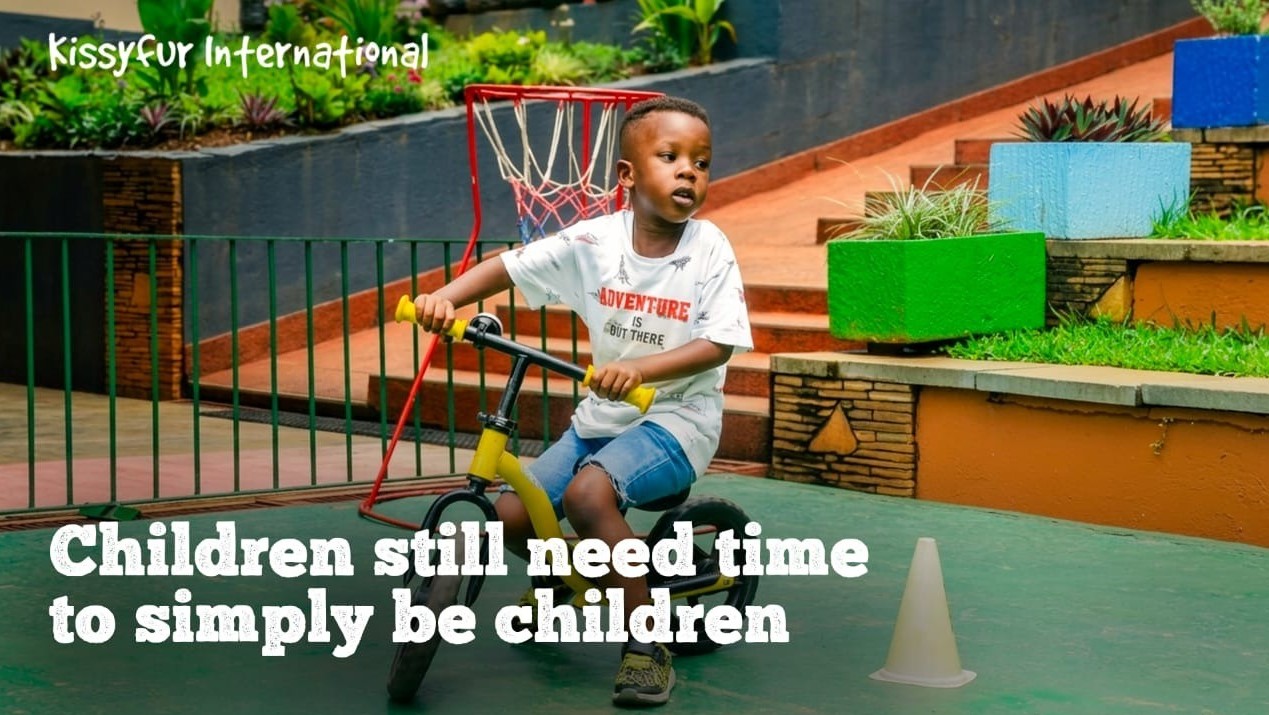
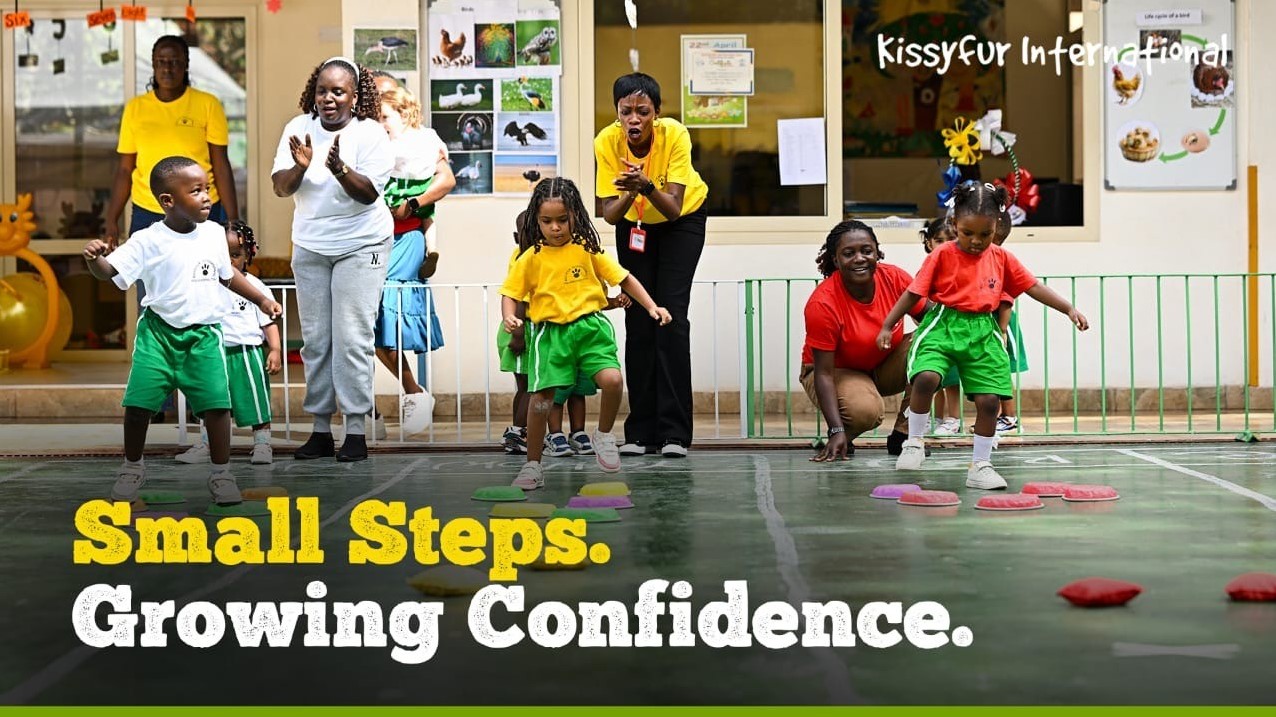
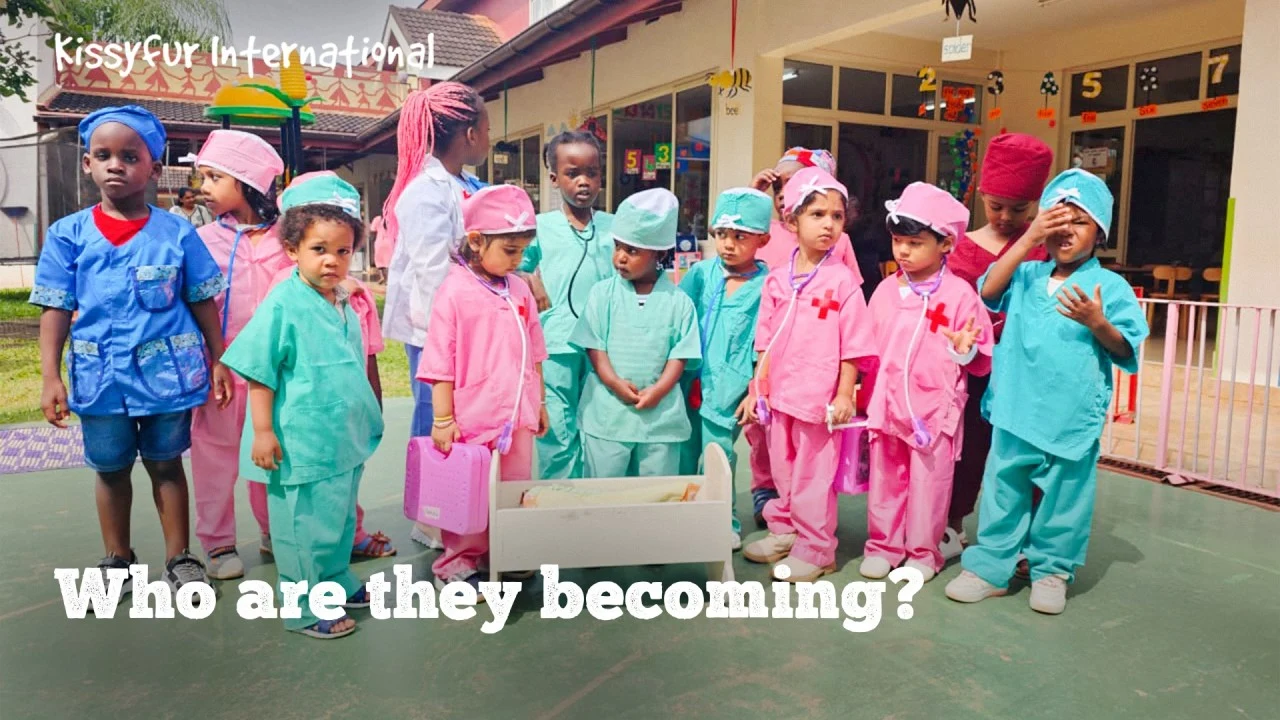
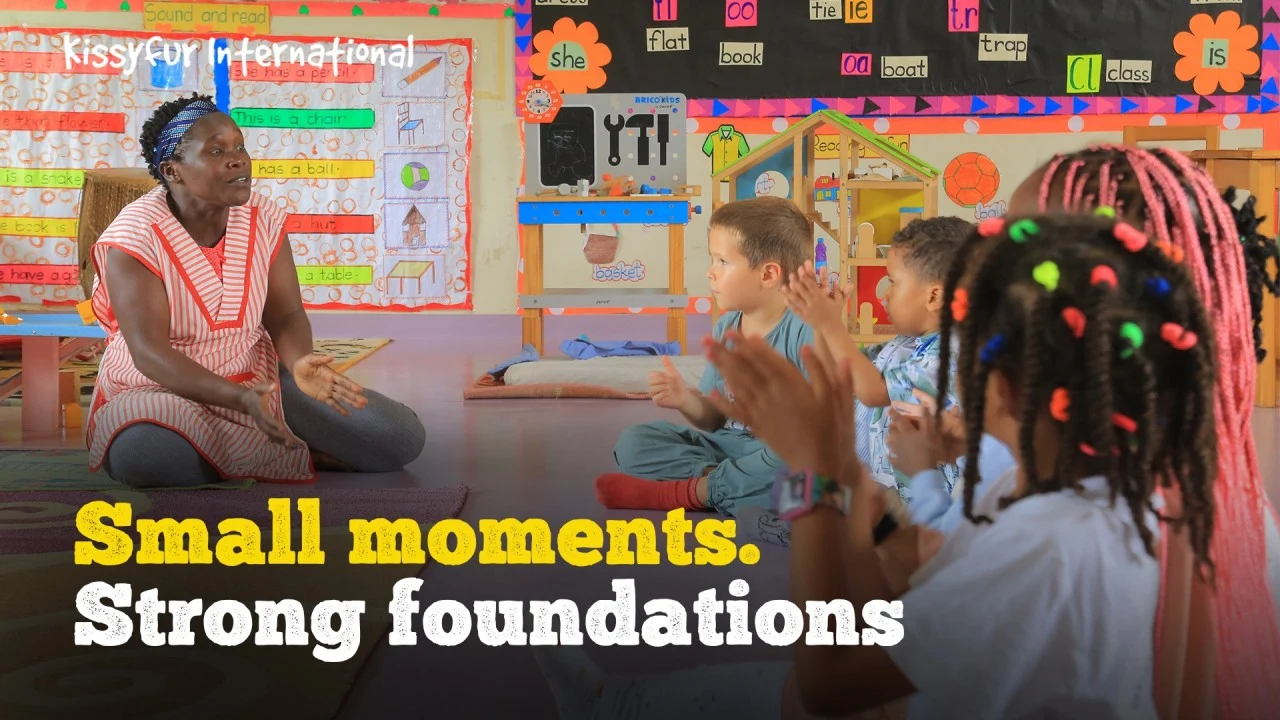
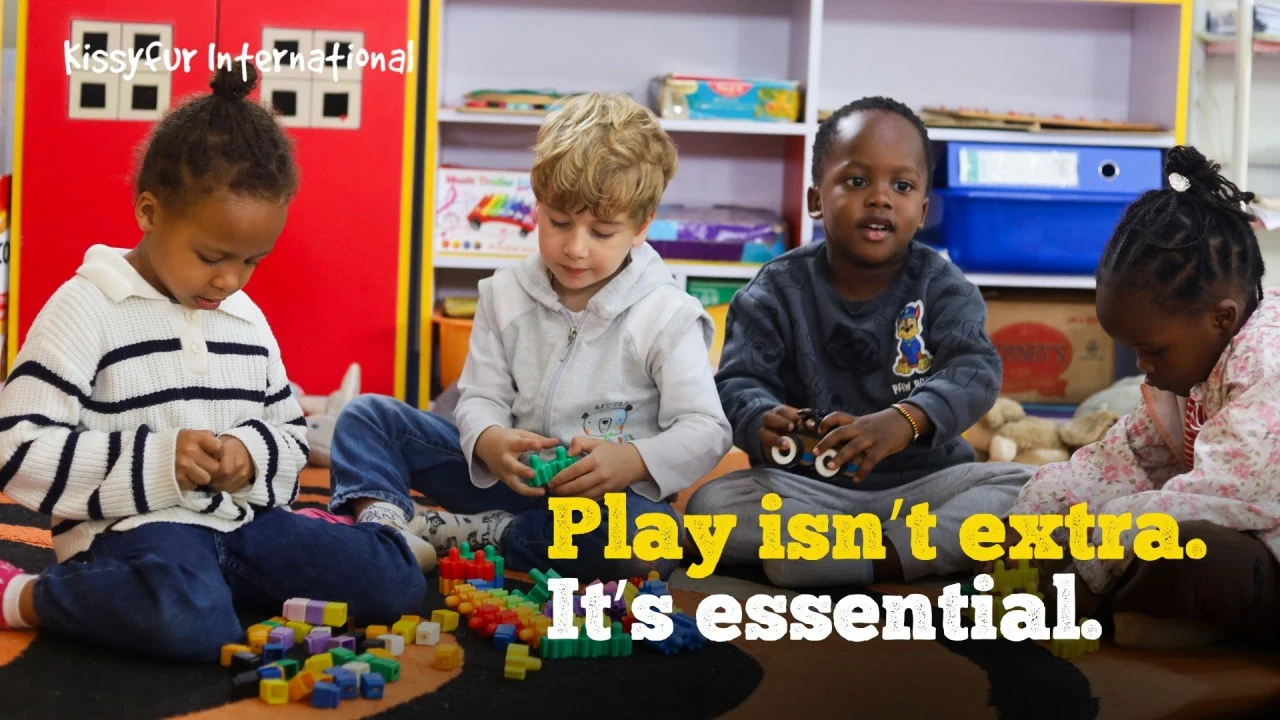
BLOGKindergarten and daycare fees in Kampala vary widely, and the monthly figure rarely tells the whole story. What to ask before you compare schools, plus Kissyfur's 2026 fees. Parents in Uganda hear daycare, nursery school, preschool and kindergarten used almost interchangeably. Here is what each term usually means, and what really matters when you choose. Most children in Uganda start nursery or kindergarten at about three and move up to Primary One at about six. Here is how the early years work, and how to tell if your child is ... Location, hours, learning approach, class sizes and fees all matter. A practical checklist for Kampala parents, with the questions worth asking on a school visit. By the time the first children stepped forward to present, they were carrying almost ten weeks of practice with them. There had been songs to remember, football skills to work on, dances to rehearse, stories ... A child absorbed in water play may appear to be enjoying a simple moment with cups, funnels and containers. Yet within that experience, they may be strengthening their hands, testing an idea, learning new words ... Most parents have seen it happen at home. A familiar song comes on, and a child who was busy with something else suddenly begins moving, humming or repeating a line they remember. Music has a ... A child’s first signs of learning are not always found on a worksheet. Sometimes, they appear in the way a child balances blocks, chooses a colour, waits for a turn, listens to a teacher, or ... A child remembers more than the lesson.They remember the teacher who noticed their effort, the gentle encouragement when they were unsure, and the little cheer that made them proud of trying. In the early years, ... Ask a group of adults what they remember from nursery school, and most will not talk about worksheets or classroom routines. They are far more likely to remember planting a seed, baking something with their ... Some mornings move faster than parents would like them to. A quick breakfast. A packed school bag. One more reminder to wear shoes properly before rushing out into traffic, meetings, errands, and everything else the ... Many parents today are trying to raise children in a world that rarely slows down. Between school routines, screen time, busy work schedules, and carefully planned activities, childhood can sometimes begin to feel more structured ... There’s a quiet moment every parent notices on Sports Day. Not the race itself, but the pause before it begins, the look, the small step forward, the decision to try. It’s easy to think of ... Imagination is one of the earliest ways children begin to understand the world. It often starts in the simplest ways. A child picks up a toy stethoscope and suddenly becomes a doctor. A cardboard box ... There is a moment many parents have seen before. A group of young children sitting together, singing a nursery rhyme. Some are confident, others are still finding the words. There is laughter, a little hesitation, ... Ever watched a toddler stack blocks, chase a ball, or get completely lost in make-believe and wondered, “Are they really learning anything?” The answer is: they are learning everything. Research consistently shows that early play ... There’s a moment most parents recognize. A child walks into a room full of unfamiliar faces and holds your hand just a little tighter. And then slowly, they let go. Confidence doesn’t arrive fully formed. ... Many parents feel pressure to ensure their child can read before starting primary school. Early reading, counting, and academic milestones are often seen as markers of a “ready” child. But research and experience suggest something ... For many parents, the early years come with a quiet pressure. Is my child reading early enough? Do they know their numbers? Are they “ready” for what comes next? It’s a natural concern. We all ... The earliest years of a child’s life are more than a phase; they are the foundation upon which all future learning, behavior, and success are built. A child’s brain develops faster in the first five ...