How to Choose a Kindergarten in Kampala: A Parent’s Checklist
October 13, 2026
A child’s first signs of learning are not always found on a worksheet. Sometimes, they…
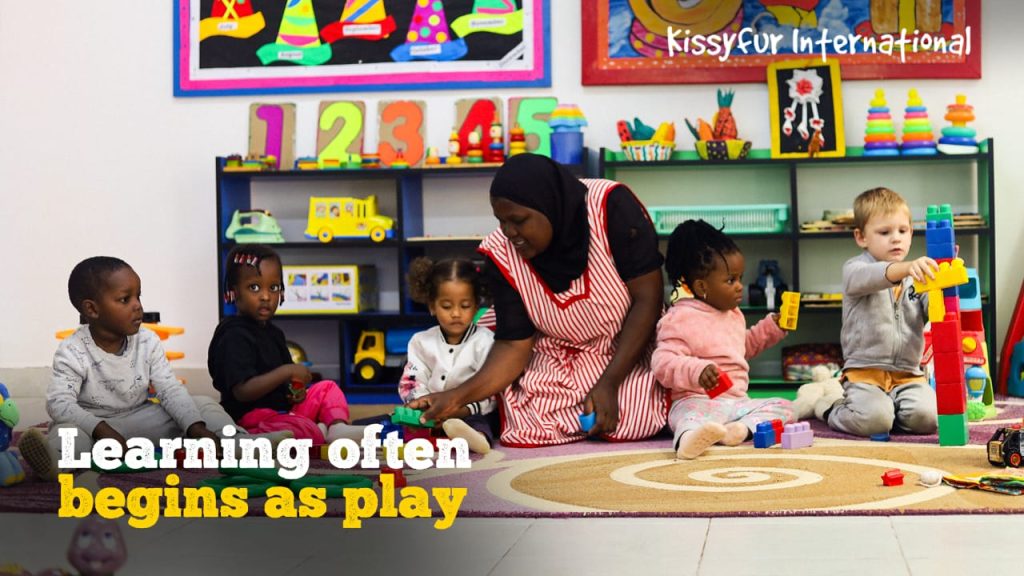
A child’s first signs of learning are not always found on a worksheet. Sometimes, they appear in the way a child balances blocks, chooses a colour, waits for a turn, listens to a teacher, or tries again after a small tower falls. In a kindergarten classroom, these moments may look simple, but they often carry the earliest signs of focus, confidence, language, coordination, and problem-solving.
This is why learning through play matters so deeply in the early years. Children are naturally curious, and play gives that curiosity somewhere to go. They touch, lift, sort, move, build, pretend, sing, ask questions, and watch what others are doing. Through these small daily experiences, they begin to understand the world around them in a way that feels natural for their age.
A set of blocks can introduce balance, counting, shape, size, and space. A puzzle can build patience and concentration. A pretend kitchen can encourage language, imagination, and social interaction. A shared toy can teach turn taking, kindness, and respect for others. These are not separate lessons placed in front of a child. They are part of the child’s ordinary day, guided with care and intention.
At Kissyfur International Kindergarten and Day Care Center, play is part of the daily rhythm of early years learning. It gives children the freedom to explore while being supported by teachers who understand how young children grow. In a well-prepared classroom, every activity has value. The books, blocks, puzzles, songs, movement, colours, and conversations all work together to help children build the skills they will need as they continue through kindergarten, nursery school, preschool, and beyond.
What makes play-based learning meaningful is the presence of a teacher who knows when to step in, when to guide, and when to simply observe. A teacher sitting close to the children, helping them build, asking gentle questions, or encouraging them to try again, is doing more than supervising play. They are helping children build confidence, express ideas, manage small frustrations, and enjoy learning with others.
Young children are still discovering how to communicate clearly, share space, follow routines, and understand their feelings. This is why the classroom atmosphere matters. They need a place where they feel safe enough to explore, comfortable enough to participate, and supported enough to keep trying. When that kind of care surrounds them, learning feels less forced and more natural.
This approach reflects a simple understanding of the early years: children learn best when care and learning move together. The aim is not to rush childhood, but to create meaningful daily experiences that help children grow at a healthy pace. Through guided play, children begin to develop fine motor skills, early language, listening skills, creativity, independence, and the confidence to take part in classroom life.
The classroom experience matters deeply, especially during the first years of school. Beyond the colours, toys, and learning materials, what stays with a child is how they are guided, how they are spoken to, how they are encouraged, and how much room they are given to discover at their own pace. This is often what parents notice when looking at International Kindergarten Schools, International Nursery Schools, International PreSchools Kampala, or a trusted Day Care Center.
The beauty of play is that children enjoy it while learning from it. They may not know that stacking blocks is helping them understand balance, or that sharing toys is helping them build social skills, but these little moments slowly become part of how they think, speak, move, and relate with others.
At Kissyfur International Kindergarten and Day Care Center, these moments are valued because they form the foundation for later learning. A child who is encouraged to explore becomes more willing to ask questions. A child who is supported through small challenges becomes more confident to try again. A child who learns to play with others begins to understand friendship, patience, and belonging.
This is the quiet strength of learning through play. It allows children to be children while still preparing them for the next stage of life. The little hands building blocks today are also building focus, language, confidence, independence, and a love for learning that can continue to grow long after they leave the classroom.