How to Choose a Kindergarten in Kampala: A Parent’s Checklist
October 13, 2026
Most children in Uganda start nursery or kindergarten at about three and move up to…
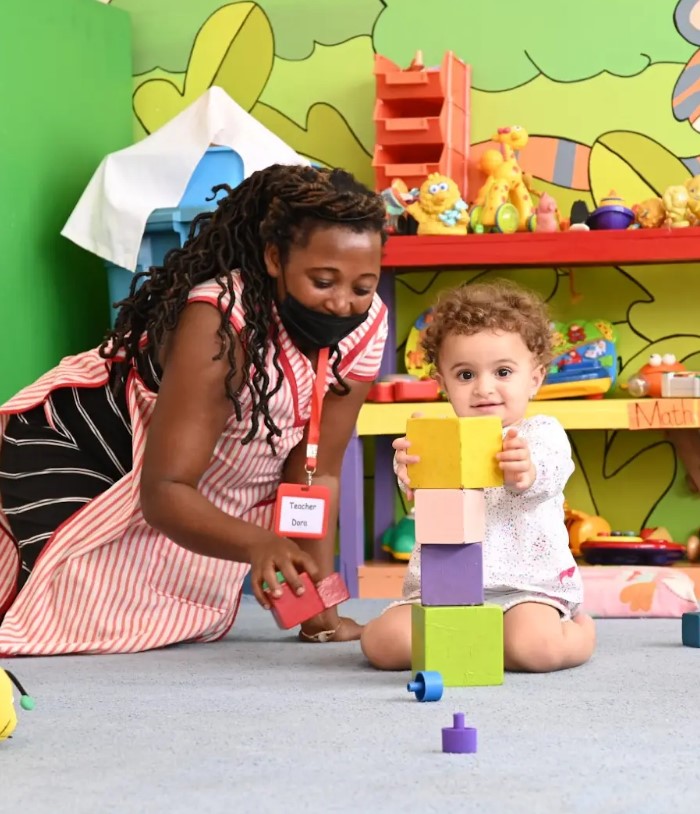
It is one of the most common questions parents ask: when should my child start school? In Uganda, most children begin nursery school or kindergarten at around three years old and move up to Primary One at around six. Many families also use daycare before that.
Age is only part of the answer, though. Here is how the early years are usually organised in Uganda, and how to tell whether your child is ready.
Education before primary school is usually called pre-primary education, and many parents simply call it nursery school. It generally covers children from about three to six years old, often in three classes known as baby class, middle class and top class. Primary One usually begins at about six.
The Ministry of Education and Sports’ Early Childhood Care and Education (ECCE) Policy 2025 covers children from birth to six years. According to news reports on the policy, it separates daycare for children up to three, which focuses on care, rest and stimulation, from pre-primary education, and a revised pre-primary curriculum for baby, middle and top classes is being piloted (Nile Post via AllAfrica).
Children develop at different speeds. Two children born in the same month can be ready for kindergarten at quite different times. Signs that a child may be ready include:
None of these need to be perfect before a child starts. A good kindergarten helps children settle in gradually and keeps building these skills every day.
Starting early can help some children, especially those who enjoy being with other children. But earlier is not automatically better, and kindergarten should never feel like a race to read and write.
What matters most in the early years is confidence, curiosity, independence and the ability to get along with others. Children build these through play and everyday routines. Our article on the skills children need before they enter primary school explores this in more detail.
Many kindergartens offer a morning session and a full day. The ECCE Policy 2025 is reported to set active learning between 8am and midday, with children who stay longer receiving daycare that includes rest and care (Nile Post via AllAfrica).
A half day often suits younger children who are just starting. A full day may suit working parents, as long as the afternoon includes lunch, rest and calm play.
At Kissyfur, children can join our daycare from 18 months, and our kindergarten programme continues up to age six, preparing children for a smooth move into primary school, both national and international. Classes have 12 to 16 children, each with a professional teacher and an assistant teacher, and learning follows the PLAY-WAY method.
If you are unsure whether your child is ready, come and visit. We are happy to talk it through with you. Contact us to arrange a visit to our Bugolobi or Entebbe school.