How to Choose a Kindergarten in Kampala: A Parent’s Checklist
October 13, 2026
Parents in Uganda hear daycare, nursery school, preschool and kindergarten used almost interchangeably. Here is…
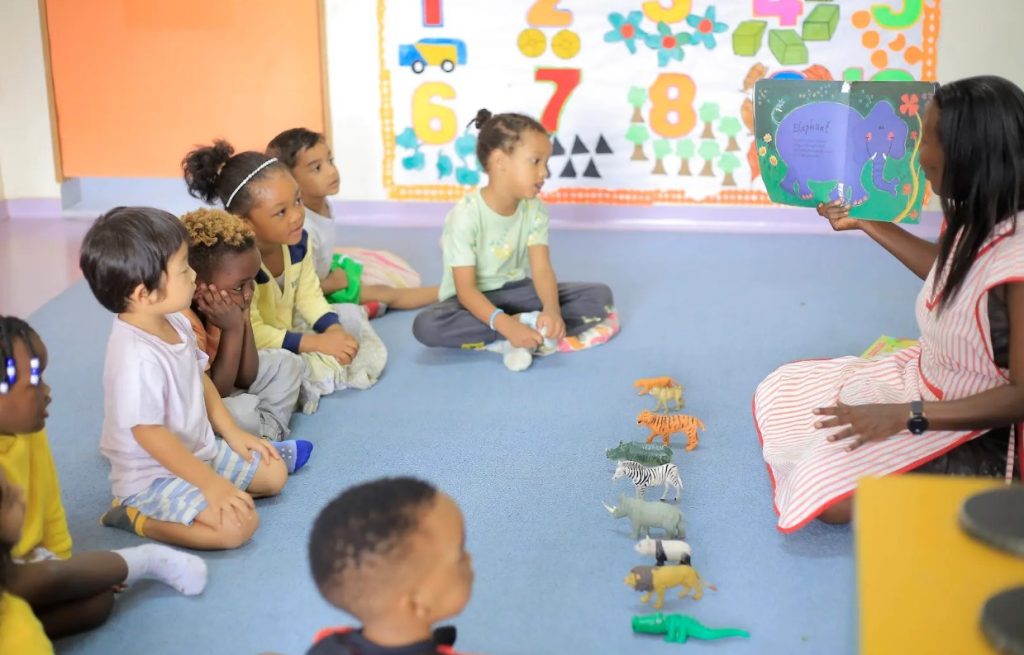
When parents in Kampala and Entebbe start looking for a school for a young child, they quickly meet four words: daycare, nursery school, preschool and kindergarten. Schools use them in different ways, and the same word can mean slightly different things from one school to the next.
Here is what each term usually means in Uganda, and why the name on the gate matters less than what happens inside.
Daycare is mainly about care. It is for the youngest children, typically toddlers before they start pre-primary education, and the day is built around routines: arrival, play, meals, rest, nappy changes or toilet training, and time outdoors. Good daycare still supports development through play, songs and conversation, but it is not a formal class.
Uganda’s Early Childhood Care and Education (ECCE) Policy 2025 is reported to treat daycare for children up to three as separate from pre-primary education, and to require children who stay after the morning learning session to receive daycare that includes rest and care (Nile Post via AllAfrica).
In Uganda, nursery school is the everyday name for pre-primary education, generally for children aged about three to five or six. Nursery schools are usually organised into baby class, middle class and top class, after which children move up to Primary One.
Preschool is a broader, more international word for education before primary school. Many schools use it in the same way as nursery school. Others use it for the younger pre-primary years, before kindergarten.
Kindergarten is the term many international schools use for the years just before primary school. In Uganda it usually covers roughly the same ages as nursery school, particularly the older children who are preparing for Primary One. Like nursery school, a good kindergarten builds early literacy, numeracy and social skills through play and hands-on activities.
Because schools use these words differently, ask each school directly:
The answers will tell you far more than the label.
Kissyfur International Kindergarten offers both care and early education, so children can stay with us from their first school days until primary school.
We have schools in Bugolobi, Kampala and Entebbe. Contact us to arrange a visit.