It Looks Like Singing. It’s Actually Learning
April 29, 2026
Your child is becoming more curious, asking endless questions, making friends at the playground and…
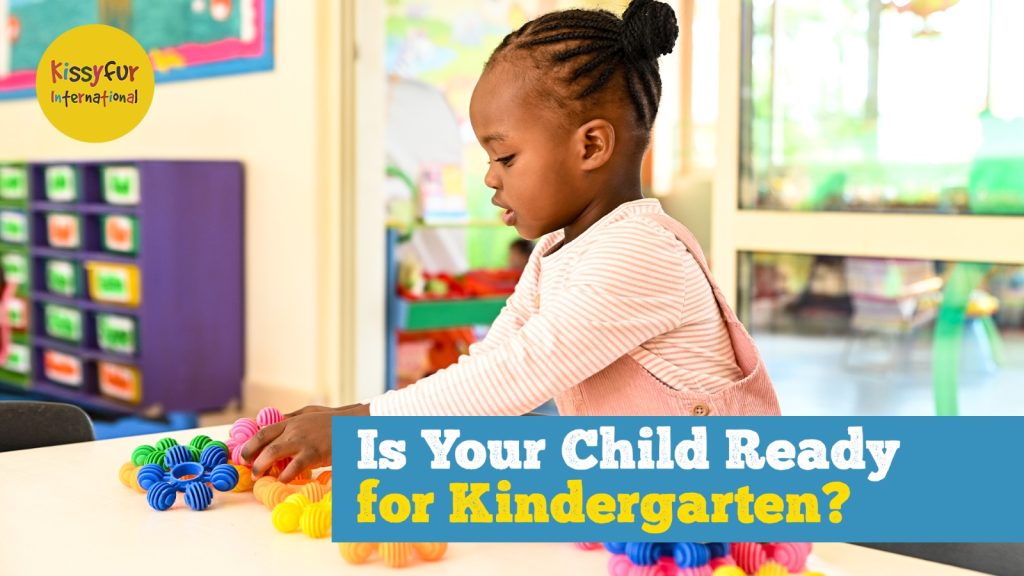
Your child is becoming more curious, asking endless questions, making friends at the playground and wanting to do more things on their own. You start thinking that perhaps it’s time for kindergarten. But then you wonder whether they’re ready to spend several hours away from you, follow a school routine or adjust to being around other children every day.
It’s a question many parents face when considering their child’s first experience of school, especially when the little one who seems so independent at home still wants you close by in unfamiliar surroundings.
So, how can you tell when your child is ready?
Children develop at different rates, and how they respond to new experiences can offer useful clues. Some are eager to interact with others and explore unfamiliar environments, while others need more time to feel comfortable. A child may communicate confidently at home but become quiet around new people, or enjoy playing with other children while still learning to share and take turns.
For parents researching kindergartens in Kampala, age is often one of the first considerations. While schools have age guidelines for their programmes, kindergarten readiness also involves social, emotional, communication and independence skills.
You might notice your child beginning to express what they need, follow simple instructions, show interest in other children or manage small tasks such as putting away toys and washing their hands. These are encouraging signs, although children will continue developing these skills after starting kindergarten.
Separation anxiety is another common concern. Even a child who enjoys playing with others may become upset when a parent leaves them in an unfamiliar environment. Some settle in relatively quickly, while others need more reassurance and time to adjust.
Parents can help by talking positively about school, reading stories about starting kindergarten and familiarising their child with the new environment. It’s also worth asking teachers how they welcome new children, introduce routines and support those who need extra time to settle in.
Once children begin kindergarten, everyday experiences contribute to their development. Playing alongside classmates encourages communication and cooperation, while storytelling, music, creative activities and classroom routines help them practise new skills and grow in confidence.
This is why a kindergarten’s approach to early years education matters. Children benefit from teachers who understand their individual needs and give them opportunities to explore, participate and gradually become more independent.
At Kissyfur International Kindergarten and Day Care Center, play-based learning is part of our approach to early childhood education. Through storytelling, creative activities, group play and everyday interactions with teachers, children are encouraged to explore their interests, communicate and develop confidence as they grow.
For families looking for a kindergarten in Bugoloobi or exploring international nursery school and daycare options in Kampala, understanding how a school supports children through their early experiences is worth considering alongside its programmes and facilities.
At home, simple activities such as reading together, encouraging children to express their needs, playing with others and involving them in age-appropriate tasks can also help prepare them for school.
If you’re wondering whether your little one is ready, consider the skills they’re beginning to develop, how they respond to unfamiliar experiences and where they may need support. A conversation with their future teachers can help you understand what to expect and how best to prepare.
To learn more about our kindergarten and daycare programmes at Kissyfur International Kindergarten and Day Care Center, visit www.kissyfuruganda.com.